


How does triethoxycaprylylsilane improve the spreadability and smoothness of cosmetics?
Release Time : 2025-12-22
In high-end cosmetic formulations, skin feel and spreadability are often key factors determining the user experience. Consumers not only pursue efficacy but also crave a silky, lightweight, and burden-free tactile experience upon contact with the skin. Triethoxycaprylylsilane, as a functional silane coupling agent, plays an irreplaceable role in improving the spreadability and smoothness of cosmetics due to its unique molecular structure and surface modification capabilities. Especially when used in conjunction with inorganic powders such as ultrafine titanium dioxide, it can achieve superior makeup effects of "smoothness, delicacy, and long-lasting coverage."
1. Molecular Structure Provides Excellent Interfacial Compatibility
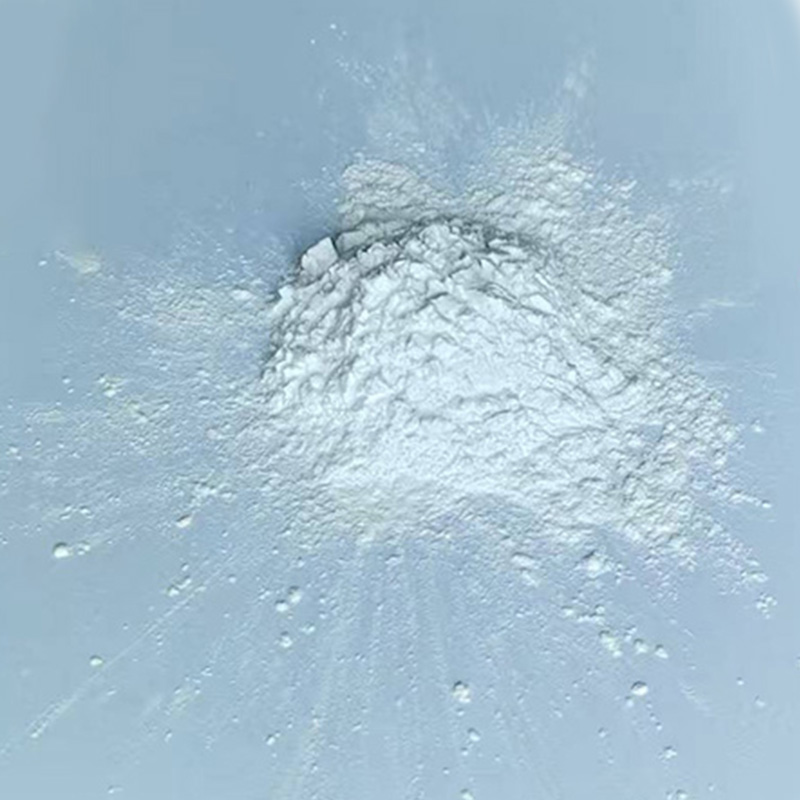
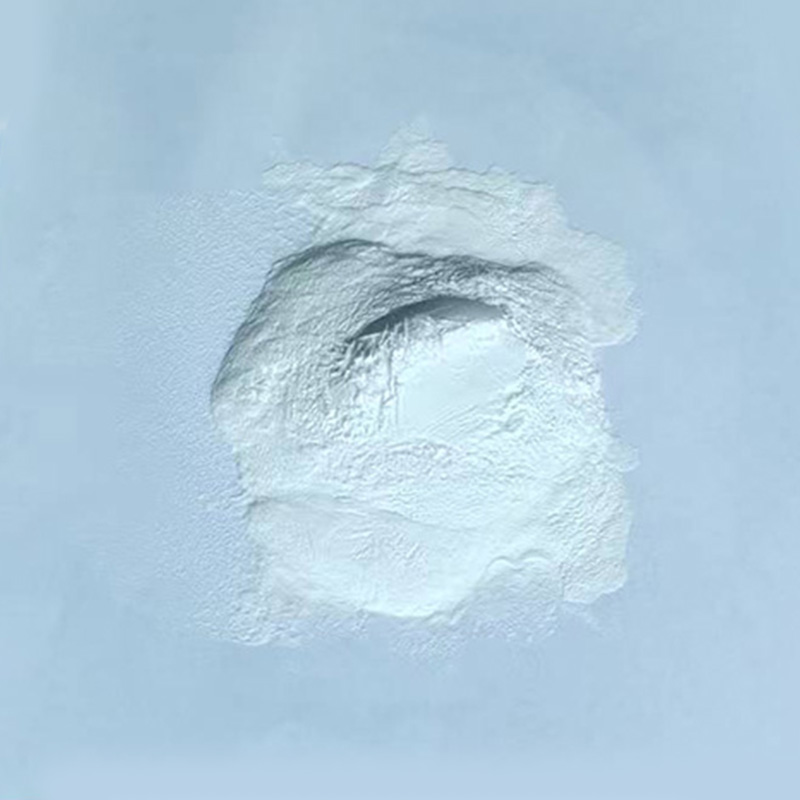
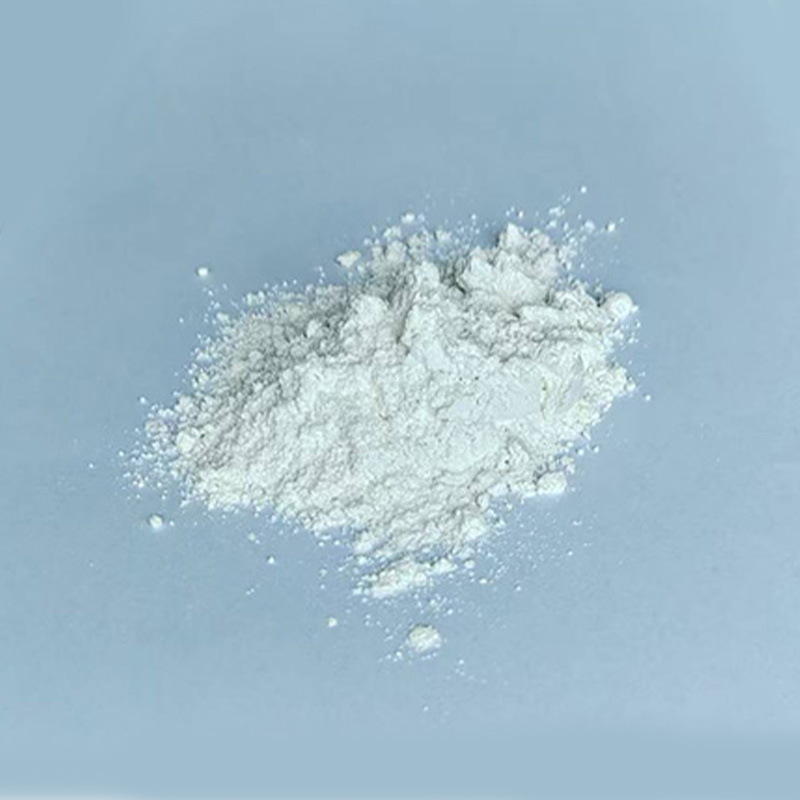
The molecule of triethoxycaprylylsilane consists of two parts: one end is a hydrolyzable triethoxysilyl group, which can undergo a condensation reaction with the hydroxyl groups on the surface of inorganic particles; the other end is a hydrophobic octyl chain, possessing oil-like lubricating properties. This amphiphilic structure makes it an ideal interfacial bridge—it can firmly anchor to the powder surface while extending outwards into a flexible organic layer. When used to treat ultrafine titanium dioxide white powder, triethoxycaprylylsilane forms a dense and uniform hydrophobic coating through chemical bonding, significantly reducing van der Waals forces and agglomeration tendency between powder particles.
2. Improved Powder Dispersibility for Ultimate Spreading
Untreated ultrafine titanium dioxide is prone to agglomeration due to its high specific surface area, resulting in uneven distribution in creams or foundations, causing a grainy feel or "caking" during application. After surface modification with triethoxycaprylylsilane, the powder changes from hydrophilic to oleophilic-hydrophobic, becoming highly compatible with commonly used oil-phase matrices in cosmetics such as silicone oil, esters, and mineral oil. This allows formulators to more easily and uniformly disperse high concentrations of titanium dioxide in the system, forming a stable and fine slurry. When used, the product spreads smoothly and effortlessly across the skin like silk, without any resistance or buildup, achieving a luxurious "melt-in-your-mouth" finish.
3. Creating a Smooth Skin Feel and Lightweight Film-Forming Experience
The octyl chain forms an extremely thin hydrophobic film on the skin's surface, reducing moisture evaporation and giving the skin a "dry, velvety" feel. Unlike the greasy heaviness of traditional oils, the triethoxycaprylylsilane-modified powder does not clog pores during film formation, offering excellent breathability while effectively isolating external pollutants and sweat. This film structure combines flexibility and adhesion, allowing the concealing ingredients to adhere firmly to the skin's texture, preventing shifting or fading due to facial expressions or changes in environmental humidity, thus achieving the claimed "longer-lasting coverage."
4. Synergistic Effect, Enhancing Overall Formula Performance
In multi-phase systems such as sunscreen, foundation, and BB cream, triethoxycaprylylsilane-treated titanium dioxide not only improves the skin feel but also enhances formula stability. Its hydrophobic surface reduces water penetration, preventing powder from absorbing water and settling or clumping in emulsions. Simultaneously, the silane film inhibits the photocatalytic activity of titanium dioxide, reducing the risk of free radical generation and improving product safety. Furthermore, this raw material is highly compatible with mainstream silicone-based solvents such as volatile silicone oils and cyclopentasiloxanes, facilitating the development of oil-free, low-viscosity, refreshing products to meet modern consumers' pursuit of "zero-burden beauty."
5. Safe and Gentle, Suitable for Diverse Application Scenarios
Triethoxycaprylylsilane is typically used in low quantities in cosmetics, and the ethanol byproducts after the reaction can be evaporated and removed, resulting in minimal residue in the final product. Its modification process does not introduce irritating groups, and the finished powder shows good gentleness in skin irritation tests, making it suitable for sensitive skin and eye products. It is currently widely used in high-end foundations, physical sunscreens, setting powders, and makeup primers.
In summary, triethoxycaprylylsilane transforms ultrafine titanium dioxide from a "functional filler" into a "sensory enhancer" through precise surface chemical modification. It not only solves the industry pain points of inorganic powders being difficult to disperse and having a poor skin feel, but also uses technology to make every makeup application a pleasurable sensory ritual—smooth, lightweight, long-lasting, and just right.
1. Molecular Structure Provides Excellent Interfacial Compatibility
The molecule of triethoxycaprylylsilane consists of two parts: one end is a hydrolyzable triethoxysilyl group, which can undergo a condensation reaction with the hydroxyl groups on the surface of inorganic particles; the other end is a hydrophobic octyl chain, possessing oil-like lubricating properties. This amphiphilic structure makes it an ideal interfacial bridge—it can firmly anchor to the powder surface while extending outwards into a flexible organic layer. When used to treat ultrafine titanium dioxide white powder, triethoxycaprylylsilane forms a dense and uniform hydrophobic coating through chemical bonding, significantly reducing van der Waals forces and agglomeration tendency between powder particles.
2. Improved Powder Dispersibility for Ultimate Spreading
Untreated ultrafine titanium dioxide is prone to agglomeration due to its high specific surface area, resulting in uneven distribution in creams or foundations, causing a grainy feel or "caking" during application. After surface modification with triethoxycaprylylsilane, the powder changes from hydrophilic to oleophilic-hydrophobic, becoming highly compatible with commonly used oil-phase matrices in cosmetics such as silicone oil, esters, and mineral oil. This allows formulators to more easily and uniformly disperse high concentrations of titanium dioxide in the system, forming a stable and fine slurry. When used, the product spreads smoothly and effortlessly across the skin like silk, without any resistance or buildup, achieving a luxurious "melt-in-your-mouth" finish.
3. Creating a Smooth Skin Feel and Lightweight Film-Forming Experience
The octyl chain forms an extremely thin hydrophobic film on the skin's surface, reducing moisture evaporation and giving the skin a "dry, velvety" feel. Unlike the greasy heaviness of traditional oils, the triethoxycaprylylsilane-modified powder does not clog pores during film formation, offering excellent breathability while effectively isolating external pollutants and sweat. This film structure combines flexibility and adhesion, allowing the concealing ingredients to adhere firmly to the skin's texture, preventing shifting or fading due to facial expressions or changes in environmental humidity, thus achieving the claimed "longer-lasting coverage."
4. Synergistic Effect, Enhancing Overall Formula Performance
In multi-phase systems such as sunscreen, foundation, and BB cream, triethoxycaprylylsilane-treated titanium dioxide not only improves the skin feel but also enhances formula stability. Its hydrophobic surface reduces water penetration, preventing powder from absorbing water and settling or clumping in emulsions. Simultaneously, the silane film inhibits the photocatalytic activity of titanium dioxide, reducing the risk of free radical generation and improving product safety. Furthermore, this raw material is highly compatible with mainstream silicone-based solvents such as volatile silicone oils and cyclopentasiloxanes, facilitating the development of oil-free, low-viscosity, refreshing products to meet modern consumers' pursuit of "zero-burden beauty."
5. Safe and Gentle, Suitable for Diverse Application Scenarios
Triethoxycaprylylsilane is typically used in low quantities in cosmetics, and the ethanol byproducts after the reaction can be evaporated and removed, resulting in minimal residue in the final product. Its modification process does not introduce irritating groups, and the finished powder shows good gentleness in skin irritation tests, making it suitable for sensitive skin and eye products. It is currently widely used in high-end foundations, physical sunscreens, setting powders, and makeup primers.
In summary, triethoxycaprylylsilane transforms ultrafine titanium dioxide from a "functional filler" into a "sensory enhancer" through precise surface chemical modification. It not only solves the industry pain points of inorganic powders being difficult to disperse and having a poor skin feel, but also uses technology to make every makeup application a pleasurable sensory ritual—smooth, lightweight, long-lasting, and just right.