
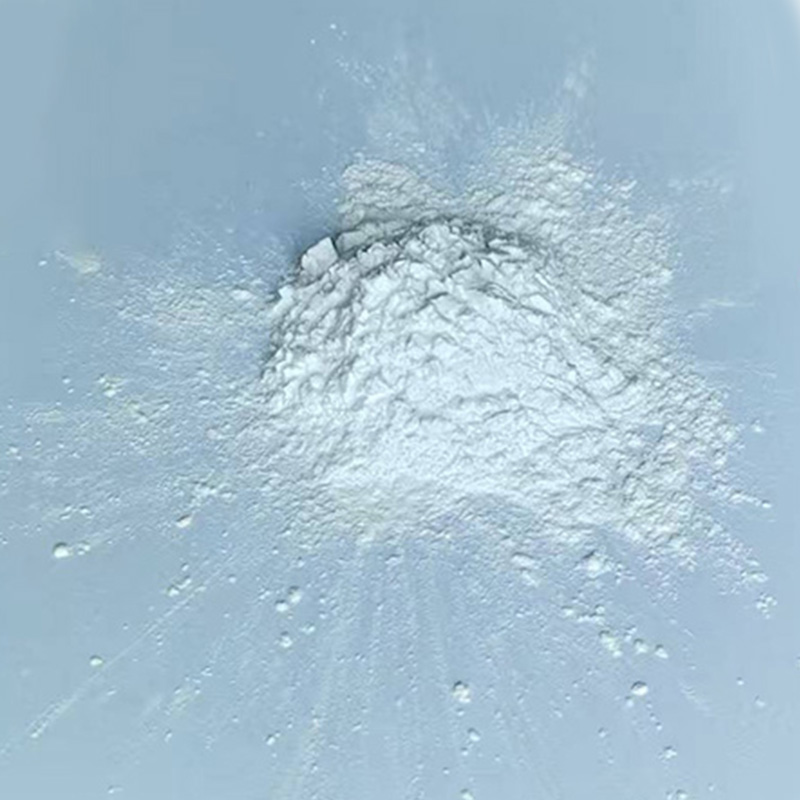

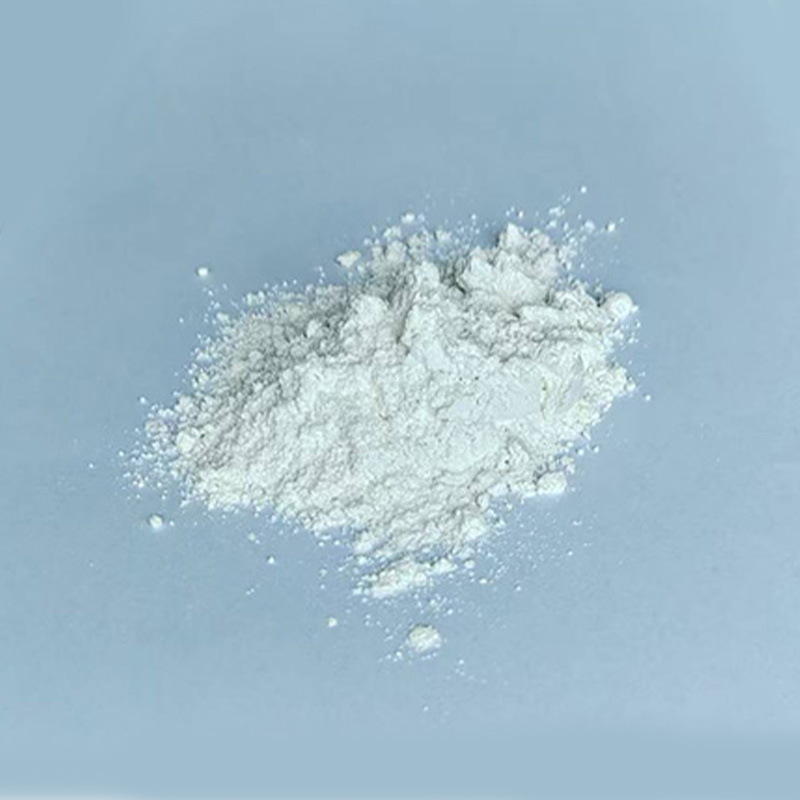


Does Boron Nitride ensure long-term formula stability by being compatible with various active ingredients?
Release Time : 2026-01-19
In modern cosmetic research and development, formula stability not only affects product appearance and texture but also directly impacts the activity, safety, and shelf life of active ingredients. An excellent powder ingredient, besides providing an ideal skin feel and makeup effect, must also be a "harmonious member" of the formulation system, rather than a "disruptive factor" that causes deterioration or ineffectiveness. Boron Nitride (BN) is increasingly favored by high-end makeup and skincare formulas due to its excellent chemical inertness and physical stability, becoming a key ingredient in ensuring long-term product stability.
Boron Nitride's stability primarily stems from its unique crystal structure. When existing in a hexagonal crystal form, it exhibits a graphite-like layered arrangement, but the atoms are bonded by strong covalent bonds, resulting in a highly dense overall structure with extremely low energy. This intrinsic structure makes it almost unreactive with acids, alkalis, oxidants, or common organic solvents at room temperature and even higher temperatures. Whether in water-based, oil-based, or silicone-based systems, Boron Nitride can coexist peacefully without catalyzing the decomposition of sensitive active ingredients such as Vitamin C, retinol, and niacinamide, nor releasing impurities due to its own degradation. This "silent compatibility" gives formulators greater freedom when designing complex, multi-functional products, eliminating concerns about potential conflicts between ingredients.
Furthermore, Boron Nitride has a neutral surface, free from charge interference, and is unlikely to attract charged molecules or disrupt the interfacial tension of emulsion systems. In lotions, creams, or liquid foundations, it disperses evenly without causing flocculation, layering, or abrupt viscosity changes. Even in formulations containing high concentrations of oils, waxes, or volatile silicone oils, Boron Nitride remains suspended and stable, preventing sedimentation and clumping, ensuring consistent texture and effect with each use. This physical "undisturbed" characteristic is crucial for maintaining consistent sensory and functional performance throughout the product's shelf life.
Even more commendable is that Boron Nitride itself is neither photosensitive nor heat-sensitive. Under light or temperature fluctuations, it does not change color, produce odors, or release gases, effectively avoiding problems such as yellowing, bloating, or odor deterioration caused by raw material aging. This characteristic is especially crucial for products requiring high-temperature sterilization or long-term storage in tropical climates. Simultaneously, its low hygroscopicity reduces the risk of microbial growth caused by moisture intrusion, indirectly improving the reliability of the preservative system.
Of course, compatibility is not only reflected in its "non-reaction" but also in its "non-interference with efficacy." The sheet-like structure of boron nitride forms a lightweight, breathable covering on the skin's surface, helping to lock in moisture and active ingredients without hindering normal skin respiration; its excellent lubricity reduces friction during application, preventing physical irritation from weakening the skin's barrier function. This means that while enhancing the user experience, it does not sacrifice, and may even assist in, the delivery and action of core active ingredients.
Ultimately, the reason boron nitride becomes a "stabilizing cornerstone" in high-end cosmetic formulations is not because of its active participation in reactions, but precisely because of its restraint and neutrality—it does not overshadow, disrupt, or decay. Like a low-key collaborator, it remains silent amidst the complex symphony of chemistry, ensuring that every "performer" (active ingredient) performs its mission at its best. When a foundation remains pure in color and smooth in texture after months, when an anti-aging serum remains clear and stable after high-temperature transportation, there may be this "silent guardian" of Boron Nitride behind it all. In an era that pursues efficiency and safety in beauty, true technology often lies hidden in unseen stability.
Boron Nitride's stability primarily stems from its unique crystal structure. When existing in a hexagonal crystal form, it exhibits a graphite-like layered arrangement, but the atoms are bonded by strong covalent bonds, resulting in a highly dense overall structure with extremely low energy. This intrinsic structure makes it almost unreactive with acids, alkalis, oxidants, or common organic solvents at room temperature and even higher temperatures. Whether in water-based, oil-based, or silicone-based systems, Boron Nitride can coexist peacefully without catalyzing the decomposition of sensitive active ingredients such as Vitamin C, retinol, and niacinamide, nor releasing impurities due to its own degradation. This "silent compatibility" gives formulators greater freedom when designing complex, multi-functional products, eliminating concerns about potential conflicts between ingredients.
Furthermore, Boron Nitride has a neutral surface, free from charge interference, and is unlikely to attract charged molecules or disrupt the interfacial tension of emulsion systems. In lotions, creams, or liquid foundations, it disperses evenly without causing flocculation, layering, or abrupt viscosity changes. Even in formulations containing high concentrations of oils, waxes, or volatile silicone oils, Boron Nitride remains suspended and stable, preventing sedimentation and clumping, ensuring consistent texture and effect with each use. This physical "undisturbed" characteristic is crucial for maintaining consistent sensory and functional performance throughout the product's shelf life.
Even more commendable is that Boron Nitride itself is neither photosensitive nor heat-sensitive. Under light or temperature fluctuations, it does not change color, produce odors, or release gases, effectively avoiding problems such as yellowing, bloating, or odor deterioration caused by raw material aging. This characteristic is especially crucial for products requiring high-temperature sterilization or long-term storage in tropical climates. Simultaneously, its low hygroscopicity reduces the risk of microbial growth caused by moisture intrusion, indirectly improving the reliability of the preservative system.
Of course, compatibility is not only reflected in its "non-reaction" but also in its "non-interference with efficacy." The sheet-like structure of boron nitride forms a lightweight, breathable covering on the skin's surface, helping to lock in moisture and active ingredients without hindering normal skin respiration; its excellent lubricity reduces friction during application, preventing physical irritation from weakening the skin's barrier function. This means that while enhancing the user experience, it does not sacrifice, and may even assist in, the delivery and action of core active ingredients.
Ultimately, the reason boron nitride becomes a "stabilizing cornerstone" in high-end cosmetic formulations is not because of its active participation in reactions, but precisely because of its restraint and neutrality—it does not overshadow, disrupt, or decay. Like a low-key collaborator, it remains silent amidst the complex symphony of chemistry, ensuring that every "performer" (active ingredient) performs its mission at its best. When a foundation remains pure in color and smooth in texture after months, when an anti-aging serum remains clear and stable after high-temperature transportation, there may be this "silent guardian" of Boron Nitride behind it all. In an era that pursues efficiency and safety in beauty, true technology often lies hidden in unseen stability.