


When silica is used as a cosmetic filler, how can we balance its hygroscopicity with skin comfort?
Release Time : 2026-04-13
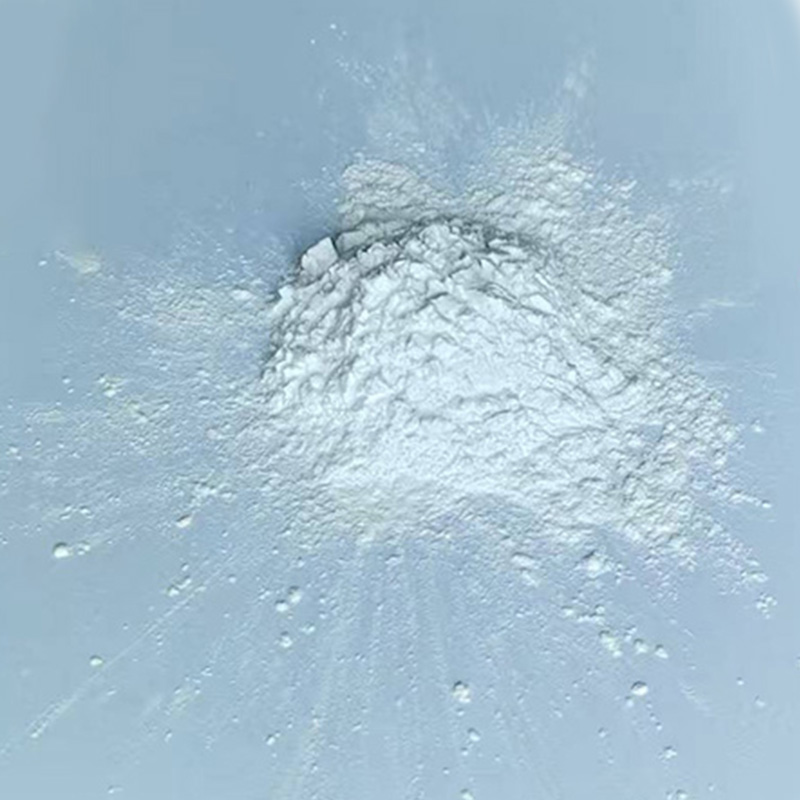
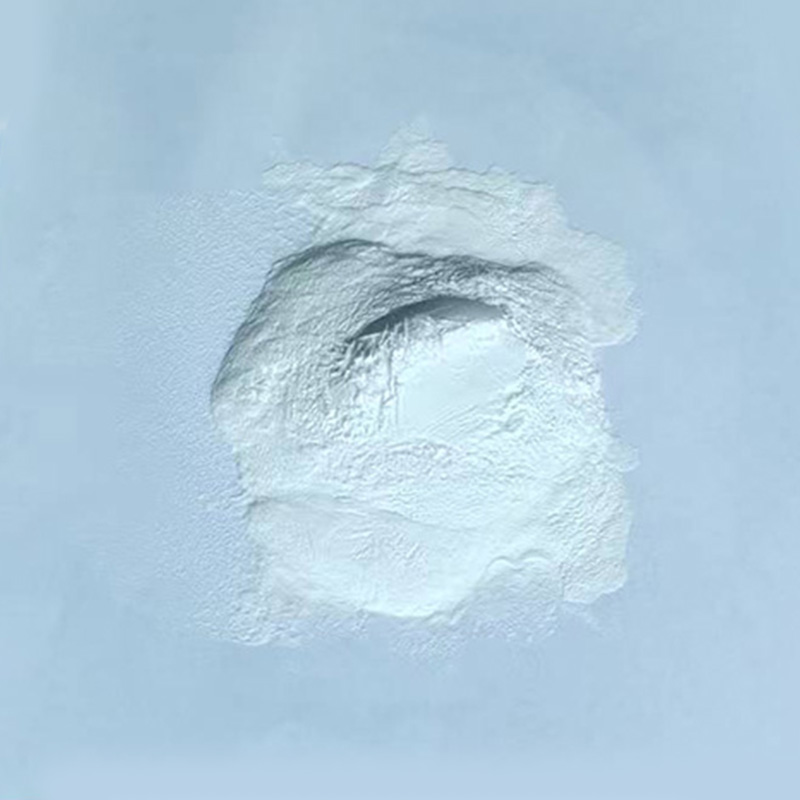
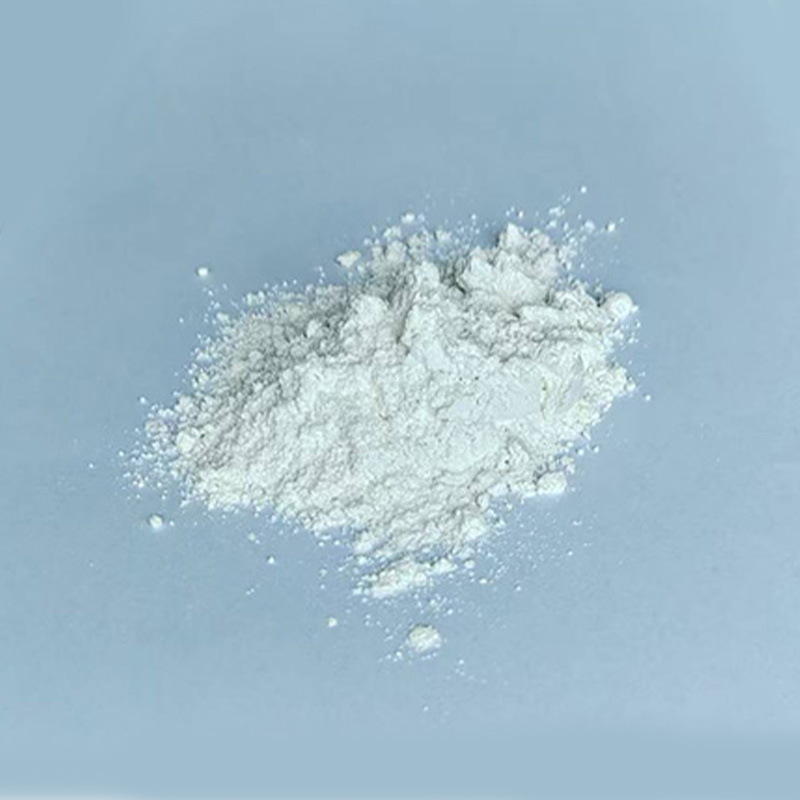
Silica, a widely used filler in cosmetics, primarily functions to improve product texture and enhance the user experience. However, balancing hygroscopicity and skin comfort remains a key challenge in formulation design. Hygroscopicity is a crucial characteristic of silica; its high specific surface area and surface hydroxyl structure allow it to absorb moisture from the environment and sebum secreted by the skin, thus playing a role in oil control and preventing clumping in products such as foundation and loose powder. However, excessive hygroscopicity can lead to dry, tight skin and even damage the stratum corneum barrier function, especially noticeable in dry environments or among people with sensitive skin. Therefore, balancing hygroscopicity and skin comfort requires comprehensive control from multiple dimensions, including the physical form of silica, surface treatment, formulation synergy, and usage scenarios.
The physical form of silica directly affects its hygroscopicity and skin feel. Spherical silica, with its smooth surface and uniform particle size distribution, can absorb sebum while reducing friction with the skin, making it suitable for foundations or loose powders that create a soft-focus effect. Porous silica, with its higher specific surface area, has stronger hygroscopic capacity, but may cause skin discomfort due to residual pores. By adjusting particle size and porosity, a trade-off can be achieved between hygroscopic efficiency and skin feel. For example, hollow microspheres can absorb oil while reducing surface roughness due to their internal cavities, thus minimizing mechanical irritation to the skin. Furthermore, blending silica with other powders (such as talc and nylon powder) allows for the complementary hygroscopic and lubricating properties of different powders, further optimizing the skin feel.
Surface treatment is a core method for regulating the hygroscopicity and skin compatibility of silica. Untreated hydrophilic silica surfaces are rich in hydroxyl groups, exhibiting strong hygroscopicity but easily binding with skin moisture, leading to dryness. After hydrophobic modification with silicone oil, polydimethylsiloxane (PDMS), or hexamethyldisilazane (HMDS), its surface is covered with hydrophobic groups, significantly reducing hygroscopicity while enhancing oil compatibility, making it more suitable for oily skin or long-lasting makeup products. For example, hydrophobic vapor-phase silica in sunscreens can evenly disperse physical sunscreen agents (such as titanium dioxide and zinc oxide), preventing particle aggregation and reducing free water in the formula, thus improving product stability and skin comfort. Furthermore, some modification technologies introduce moisturizing ingredients such as amino acids or hyaluronic acid, reducing hygroscopicity while imparting moisturizing functions to silica, achieving a balance of "oil absorption without water absorption."
Formulation synergy is a key strategy for balancing hygroscopicity and comfort. In ointments and creams, hydrophilic silica combined with oils and emulsifiers can maintain product consistency by absorbing excess oil, while utilizing the lubricating properties of oils to alleviate the dryness caused by moisture absorption. In powder products, adding moisturizing ingredients (such as glycerin and panthenol) or natural plant extracts (such as aloe vera and chamomile) can compensate for skin moisture loss caused by silica's hygroscopicity and enhance barrier repair capabilities. Additionally, adjusting the formula's pH value (e.g., maintaining it between pH 4.5 and 7.5) can optimize the charge distribution of silica, reducing particle aggregation and thus minimizing frictional irritation to the skin.
The application scenario and skin type require targeted formulation adjustments. For oily skin, highly hygroscopic silica can effectively control oil, but it needs to be paired with lightweight moisturizing ingredients (such as hyaluronic acid and ceramides) to avoid excessive dryness. Dry or sensitive skin requires hydrophobic modified or low-hygroscopic silica, and the addition of occlusive ingredients (such as squalane and petrolatum) to lock in moisture. In sunscreens, the combination of silica and physical sunscreens must balance UV reflection efficiency and skin feel to avoid pilling or whitening due to high concentrations of powder. In makeup products, the soft-focus effect and lasting power of silica must be balanced with the skin's breathing needs to avoid clogging pores with prolonged use.
Long-term safety and gentleness are the bottom line for formulation design. Although cosmetic-grade silica usually undergoes strict purification and particle size control (e.g., particle size > 100nm), the potential inhalation risk of nano-sized silica should still be considered. Legitimate products will clearly label particle size information and intended use (e.g., "for external use only") and avoid using industrial-grade raw materials. Furthermore, silica has a high hardness, and long-term use may cause micro-scratches to extremely sensitive skin. Therefore, surface passivation treatment or compounding with other soft powders (such as polyurethane microspheres) is necessary to reduce this risk.
As a cosmetic filler, the balance between silica's hygroscopicity and skin comfort needs to be achieved through morphology selection, surface modification, formulation synergy, and scenario adaptation. In the future, with in-depth research into silica surface chemistry, novel modification technologies (such as biodegradable coatings and intelligent responsive moisture control) will further expand its application boundaries in cosmetics, providing consumers with a safer, more efficient, and more comfortable beauty experience.